Author: Thomas Echea

  • Selling to Second-Home Buyers: How to Attract Lifestyle-Driven Purchasers in Today’s Market

    Selling to Second-Home Buyers: How to Attract Lifestyle-Driven Purchasers in Today’s Market

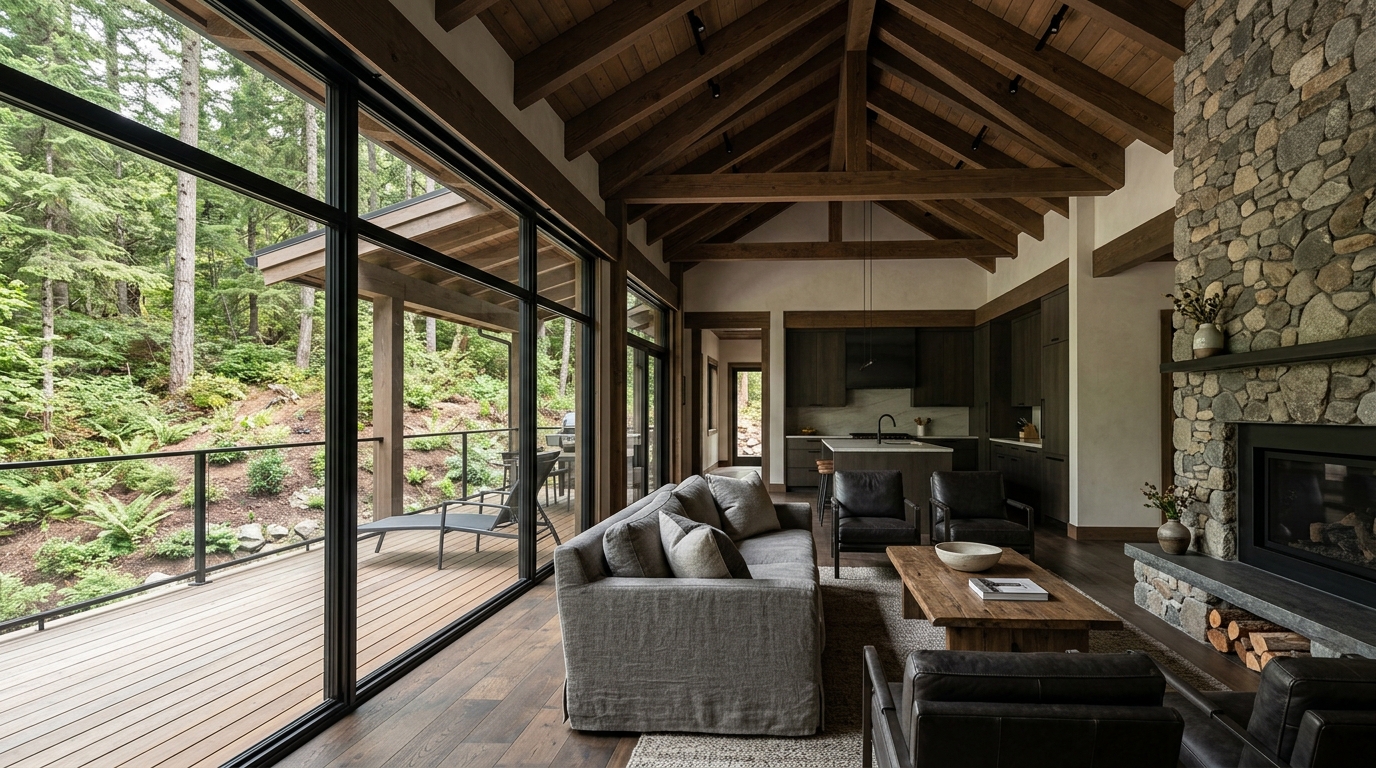
    Second- and third-home buyers aren’t just purchasing property—they’re buying a lifestyle. Whether it’s a mountain retreat, beachfront escape, or a quiet countryside haven, these buyers are driven by emotion, long-term vision, and often, financial strategy.

    If you’re selling a home that could appeal to this niche, your approach needs to go beyond traditional marketing. Understanding what motivates these buyers—and how to position your property accordingly—can make all the difference in achieving a faster sale and stronger offers.

    Understanding Buyer Psychology

    Unlike primary homebuyers, second-home purchasers typically aren’t under pressure. They don’t need to buy—they want to buy. That distinction changes everything.

    What drives them

    • Lifestyle upgrades: They’re envisioning relaxation, family time, or an escape from their primary residence.
    • Emotional connection: The “feeling” of the home matters more than pure functionality.
    • Investment potential: Many are thinking about rental income, appreciation, or future resale value.
    • Convenience & ease: Low-maintenance properties and turnkey homes are highly appealing.

    You’re not just selling square footage—you’re selling a dream. Your marketing, staging, and presentation should help buyers instantly picture themselves enjoying the home.

    Staging for Lifestyle Appeal

    Staging a home for second-home buyers is very different from staging a primary residence. The goal is to create an experience, not just show functionality.

    • Highlight relaxation spaces: Think cozy reading nooks, outdoor seating areas, fire pits, or spa-like bathrooms.
    • Create “vacation moments”: Set the dining table, add plush towels, or stage a coffee setup with a scenic view.
    • Declutter aggressively: Clean, open spaces feel more like a retreat.
    • Incorporate local flavor: Subtle décor that reflects the area enhances emotional appeal.
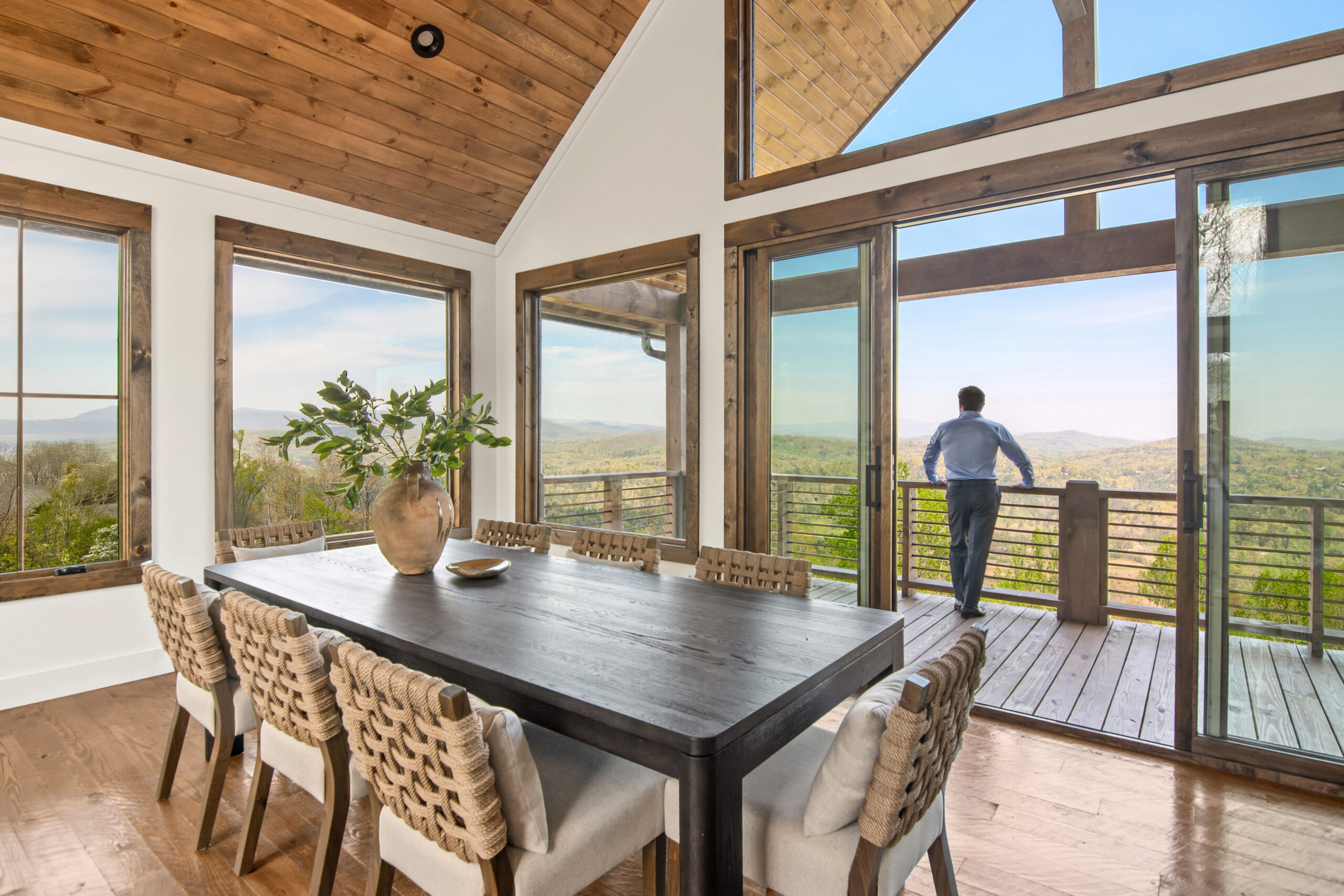
    • Emphasize indoor-outdoor living: Decks, patios, and balconies should feel like extensions of the home.

    Pricing Strategy for Lifestyle Buyers

    Second-home buyers are often financially capable—but that doesn’t mean they’ll overpay without justification. Pricing still matters, but the strategy is slightly different.

    • Price based on experience, not just comps: Unique views, privacy, or amenities can justify a premium.
    • Factor in rental potential: If your home can generate income, highlight that in your pricing narrative.
    • Avoid overpricing “just to test the market”: These buyers are savvy and often compare multiple markets.
    • Create perceived value: A well-priced home that feels like a “smart buy” can trigger quicker emotional decisions.

    Marketing Angles That Attract Second-Home Buyers

    Your marketing should transport buyers emotionally before they ever step foot on the property.

    1. Sell the Lifestyle, Not Just the Home

    Replace “3 bed, 2 bath” with: “Wake up to mountain views, unwind by the fire pit, and escape the city in under two hours.”

    2. Use High-Impact Visuals

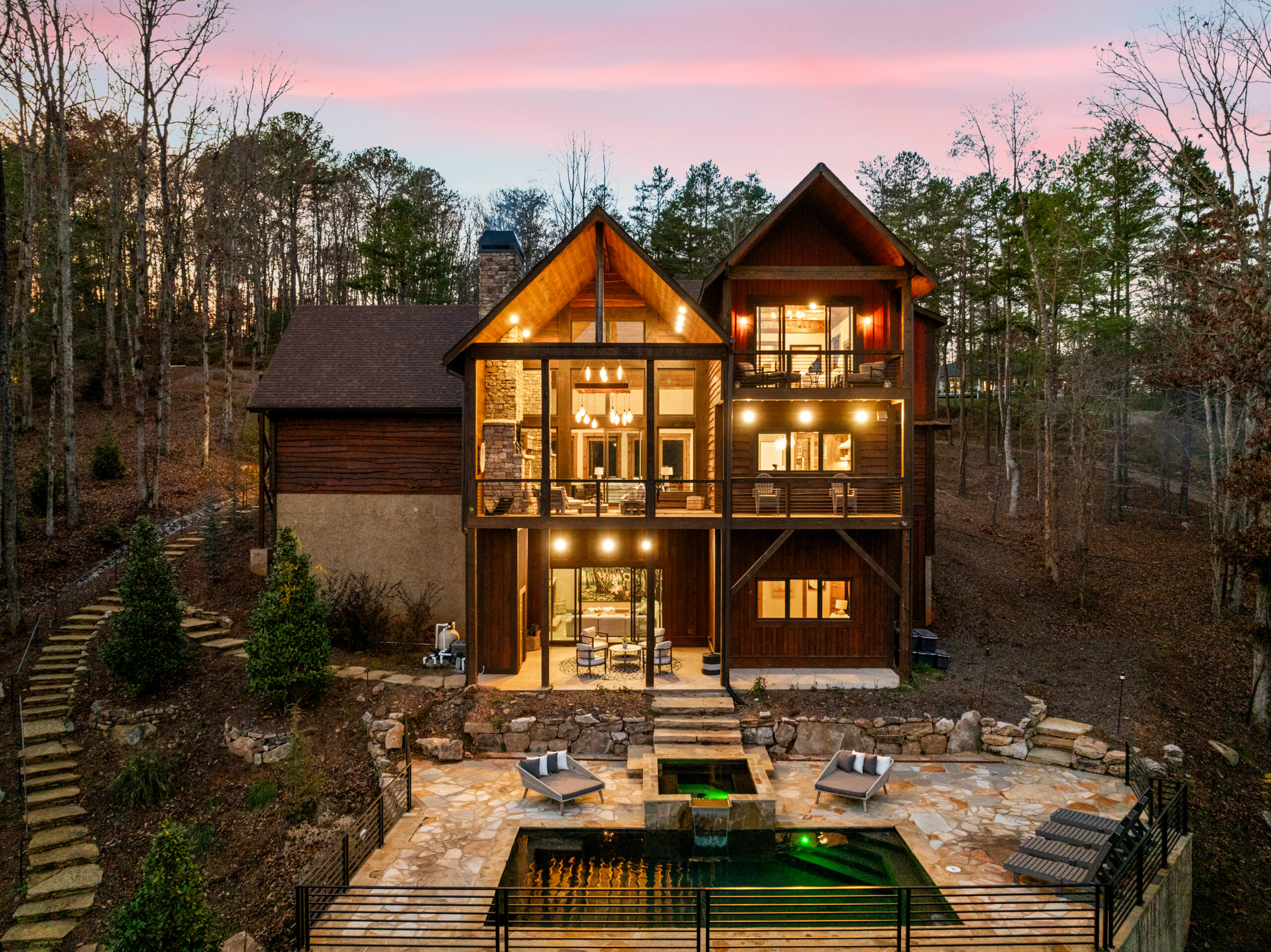
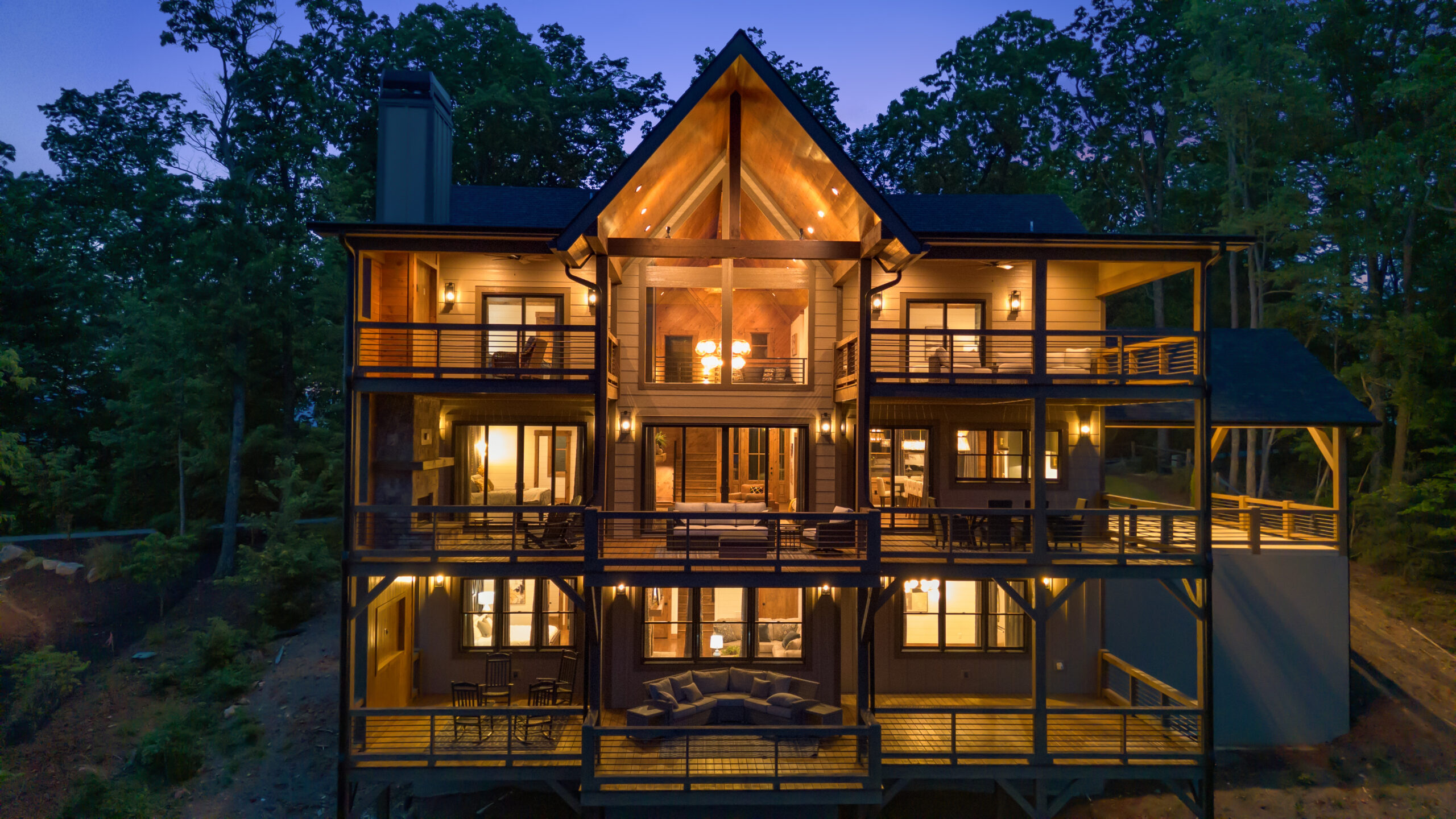
    Professional photography is non-negotiable. Include twilight shots, seasonal images, and lifestyle-focused visuals. Video walkthroughs and drone footage can significantly boost engagement.

    3. Highlight Flexibility

    Can it be a short-term rental? Is it suitable for multi-generational use? Does it work as both a retreat and an investment?

    4. Target the Right Audience

    Market in urban areas where buyers are looking for an escape. Use social media and email campaigns that focus on lifestyle aspirations. Position the home as a “weekend getaway” or “legacy property.”

    5. Tell a Story

    Every great second home has a narrative: “A place where your family gathers every summer.” “Your private escape from the noise of everyday life.” Stories sell. Specs support.

    Selling to second- and third-home buyers requires a shift in mindset. This isn’t about urgency—it’s about inspiration.

    Thomas Echea
  • Blue Ridge Cabin Market Guide for Second-Home Buyers

    Blue Ridge Cabin Market Guide for Second-Home Buyers

    Why Blue Ridge Draws Second-Home Buyers

    Blue Ridge functions as a mountain destination approximately 90 miles north of Atlanta, featuring trails, trout streams, and cabin-style accommodations. The market appeals to second-home purchasers because lifestyle considerations matter as much as physical specifications. Fannin County’s smaller mountain character means inventory, road conditions, and property settings significantly influence valuations.

    Blue Ridge Market Snapshot

    Current data indicates 432 homes for sale with a median listing price of $699,000 and median days on market of 74 days, demonstrating a 96% sale-to-list ratio. The 30513 zip code shows a comparable median listing price of $679,000 at $325 per square foot. Through March 31, 2026, the Zillow Home Value Index placed typical Fannin County home values at $495,868. Realtor.com classified both Blue Ridge and Fannin County as buyer’s markets in March 2026.

    Cabin Types You Will See in 30513

    • True log homes
    • A-frame cabins
    • Chalet-style homes
    • Newer lodge-style properties
    • Turnkey furnished retreats

    What Actually Drives Cabin Value

    Setting influences value more substantially than many purchasers anticipate. View corridor, road access, finish level, and usability materially affect both marketability and long-term satisfaction. Two cabins with identical bedroom counts may perform differently if one features long-range mountain views and paved access while the other presents steeper approaches or limited settings.

    Features Buyers Tend to Value

    • Paved or mostly paved access
    • Short drive times to downtown Blue Ridge
    • Proximity to Lake Blue Ridge or the Toccoa River
    • Furnished interiors
    • Fireplaces, hot tubs, game rooms
    • Generators and high-speed internet

    Blue Ridge Cabin Price Ranges

    Price RangeTypical Positioning
    $200K to $500KEntry-level cabins
    $500K to $900KCore second-home cabins
    $1M+Upper-bracket and luxury cabins

    Rental Rules Matter for Buyers

    Short-term rental operations require verification of current regulations. Blue Ridge maintains its own short-term rental ordinance, while Fannin County requires a separate application packet, deed submission, local point of contact, and annual lodging certificate ($225 for new certificates). Operating without certification carries a $1,000 fine, with monthly tax reporting required by the 20th. Fannin County announced ordinance revisions in 2025—confirm current requirements before purchase.

    A Smart Blue Ridge Buying Strategy

    1. Set a realistic budget range.
    2. Choose preferred setting (mountain view, creekside, river access, near-town).
    3. Determine rental use importance.
    4. Review access, drive time, and usability thoroughly.
    5. Compare homes within the same submarket.
    6. Confirm local short-term rental requirements.

    Listing photographs cannot fully convey road approaches, seasonal changes, or view quality distinctions. That’s what local guidance is for.

    Thomas Echea
  • How to Sell Your Home to Short-Term Rental Investors: Proven Strategies to Attract STR Buyers

    How to Sell Your Home to Short-Term Rental Investors: Proven Strategies to Attract STR Buyers

    Understanding the STR Buyer Mindset

    Short-term rental (STR) buyers aren’t just looking for a place to live—they’re looking for a profitable investment. Platforms like Airbnb and Vrbo have transformed the way investors evaluate properties. When selling your home, you need to shift your mindset from “homeowner appeal” to “income-generating asset.”

    These buyers prioritize location desirability (tourism, views, proximity to attractions), rental income potential, low maintenance and operational efficiency, and unique features that stand out in listings.

    Highlight Income Potential

    One of the most powerful ways to attract STR buyers is by showcasing what the property could earn. Provide estimated rental projections based on comparable listings, share occupancy rates from similar homes nearby, and highlight peak seasonal demand. If possible, include data sourced from tools like AirDNA to add credibility.

    Emphasize STR-Friendly Features

    Investors are drawn to properties that are turnkey or easily convertible into short-term rentals.

    • Scenic views (mountains, water, city skyline)
    • Outdoor amenities (hot tubs, pools, fire pits, decks)
    • Proximity to attractions (downtown, hiking trails, lakes)
    • Multiple sleeping areas / flexible layouts
    • Parking availability

    Stage with the Guest Experience in Mind

    Traditional staging focuses on personal living—but STR buyers want to visualize the guest experience. Use neutral, hotel-style décor, cozy but photogenic spaces, and Instagram-worthy design elements. Think of your listing as if it were already live on Airbnb—would guests want to book it?

    Provide Local Regulation Insights

    Savvy investors will always ask: “Can I legally operate a short-term rental here?” Stand out by proactively providing local STR regulations and permit requirements, HOA rules (if applicable), and zoning information. This builds trust and removes uncertainty.

    Market Directly to Investor Channels

    Don’t rely solely on traditional homebuyer marketing. Promote in real estate investor groups, highlight “investment opportunity” in your listing description, and use terms like “income-producing,” “turnkey rental,” or “STR-ready.” You can also target buyers already active on platforms like BiggerPockets.

    Price Strategically Based on ROI

    STR buyers evaluate deals differently—they focus on return on investment (ROI), not just price. Align pricing with potential rental income, show cap rate or cash-on-cash return estimates if possible, and avoid overpricing based solely on emotional value. A well-priced property with clear income potential can generate multiple competitive offers from investors.

    Don’t just sell the home—sell the income potential and lifestyle experience it offers.

    Thomas Echea
  • Owning a Cabin Near Downtown Blue Ridge

    Owning a Cabin Near Downtown Blue Ridge

    Why Downtown Proximity Matters

    A cabin near downtown Blue Ridge offers a lifestyle centered around shops, restaurants, festivals, and the Scenic Railway depot. The main business district runs along East Main and West Main—everyday stops possible within just a few blocks.

    What Daily Life Can Look Like

    One major advantage is flexible routines combining peaceful, wooded settings with town access. Blue Ridge City Park provides picnic tables, grills, and a playground, while the Gray Street park offers baseball fields, tennis, basketball, a pool, splash pad, and a 0.6-mile paved walking trail.

    Walkable Dining and Social Spots

    Downtown supports casual dining and social gathering. Notable establishments include Chester Brunnemeyer’s, Ferraro’s Kitchen, Rum Cake Lady, and The Vine and Eatery. Trackside Station anchors the downtown experience with shops, restaurants, breweries, and parking.

    A Built-In Social Calendar

    Tipping Point Brewing in Trackside Station hosts weekly trivia, karaoke, and live music, with additional performances common at area restaurants, wineries, and breweries. The Blue Ridge Mountains Arts Association operates from the historic Fannin County Courthouse with galleries, studios, workshops, and classes. The community hosts Arts in the Park festivals during Memorial Day and October weekends.

    Outdoor Access Stays Close By

    The Aska Trail System offers approximately 17 miles of hiking and biking trails, located less than ten miles from downtown. Lake Blue Ridge Recreation Area provides year-round, fee-free access to a 3,290-acre TVA reservoir for boating, skiing, and fishing. The Toccoa River Canoe Trail spans 13.8 miles.

    What to Think About Before You Buy

    • Do you prefer walking to Main Street or a short drive?
    • How much weekend and festival activity do you want nearby?
    • Is outdoor access equally important to dining and events?
    • Does the property location affect short-term rental plans?

    Short-Term Rental Rules to Know

    Requirements differ significantly based on location. Inside the City of Blue Ridge, owners must obtain a short-term vacation rental certificate, pay a $25 annual fee per establishment, and file monthly reports and tax documentation. In Fannin County, posted information must include emergency numbers, 911 address, local contact, nearest hospital, and maximum occupancy, with 24/7 point-of-contact availability.

    These rules do not mean one area is better than another. They simply mean you should match the property to your goals before making an offer.

    Thomas Echea
  • Selling Your Home Before Mother’s Day: How to Appeal to Family Buyers

    Selling Your Home Before Mother’s Day: How to Appeal to Family Buyers

    If you’re planning to sell your home, timing your listing before Mother’s Day can be a powerful strategy—especially if your ideal buyer is a family. During this time of year, buyers aren’t just looking at square footage—they’re looking for connection. They want a home that feels warm, functional, and ready for memories.

    1. Create an Emotional First Impression (Entryway)

    The entry sets the tone for everything. Add a clean welcome mat, use a simple console table with fresh flowers or a decorative bowl, and keep it clutter-free and bright. Buyers decide how they feel about a home within seconds—a warm, inviting entry signals: “This is a place you’ll feel comfortable coming home to.”

    2. Stage the Kitchen as the Heart of the Home

    For families—especially around Mother’s Day—the kitchen is everything. Clear off counters (leave only 1–2 intentional items), add fresh flowers or a bowl of lemons for color, and lightly set the table for a casual brunch setup. Make sure it smells clean—not like cleaning products. You’re helping buyers picture shared meals, conversations, and daily life.

    3. Design the Living Room for Connection

    Arrange furniture to encourage conversation (not facing just the TV), add soft textures like pillows and throws, keep décor neutral but warm, and open curtains to maximize natural light. If you have a fireplace, make it a focal point—it subconsciously signals comfort and togetherness.

    4. Turn Bedrooms into Peaceful Retreats

    Use light, hotel-style bedding. Remove personal photos and bold décor. Keep nightstands simple and symmetrical. Ensure closets are only 60–70% full. This helps buyers mentally “move in” instead of feeling like they’re in someone else’s space.

    5. Make Bathrooms Feel Like a Spa

    Use white or neutral towels, add a small plant or candle, remove all personal items from counters, and deep clean everything. Clean, calm bathrooms signal a well-maintained home.

    Storytelling in Your Listing

    Your listing should highlight how the home supports family life: “Perfect for weekend gatherings.” “Spacious backyard for kids and pets.” “Quiet neighborhood ideal for families.”

    During Mother’s Day season, buyers are emotionally engaged. They’re not just looking for a house—they’re looking for a feeling. If your home delivers that feeling, you’re not just getting showings—you’re getting offers.

    Thomas Echea

    The spring market is competitive, and pricing correctly from the start creates urgency and multiple-offer potential. Buyers during this season are motivated—and emotional. If your home speaks to both logic and lifestyle, you’ll stand out quickly.

  • Luxury Home Staging Secrets to Attract High-End Buyers

    Luxury Home Staging Secrets to Attract High-End Buyers

    Selling a home isn’t just about square footage, finishes, or location—it’s about creating a feeling. High-end buyers aren’t simply looking for a property; they’re searching for a lifestyle, an identity, and an emotional connection the moment they walk through the door.

    Stage for Emotion, Not Just Appearance

    Luxury buyers make decisions emotionally first, then justify them logically. That’s why staging isn’t about filling a home with expensive furniture—it’s about telling a story. Each space should answer a question: What does it feel like to live here? How does this home elevate my lifestyle? Whether it’s a cozy fireside seating area or a serene primary suite, every detail should invite the buyer to imagine themselves already living there.

    Embrace a Less-Is-More Philosophy

    In luxury staging, restraint is power. Too much furniture or décor can make even the most expansive home feel smaller and less refined. Focus on clean lines and intentional layouts, open and breathable spaces, and a curated selection of high-quality pieces. This allows the home’s architecture, natural light, and premium finishes to take center stage.

    Highlight Lifestyle Moments

    Luxury homes sell best when they showcase experiences—not just rooms. Create subtle “lifestyle moments” throughout the home:

    • A styled outdoor lounge that feels like a private resort
    • A dining setup ready for an intimate dinner party
    • A spa-inspired bathroom with soft towels and calming accents

    Use Texture and Layering to Add Depth

    High-end spaces should feel rich and inviting—not flat or sterile. Incorporate layers through plush rugs and soft textiles, mixed materials like wood, stone, glass, and metal, and neutral palettes with subtle contrast. This creates a sense of warmth and sophistication that photographs beautifully and feels even better in person.

    Maximize Natural Light and Flow

    Open all window coverings to let light pour in. Reposition furniture to improve movement between spaces. Remove anything that blocks key sightlines. The goal is to make the home feel expansive, effortless, and connected.

    Pay Attention to the Details That Matter

    At the luxury level, buyers notice everything. Ensure lighting is warm and balanced throughout the home, scents are subtle and clean (never overpowering), and every surface is pristine and clutter-free. These finishing touches quietly communicate quality, care, and value.

    Stage with the Buyer Profile in Mind

    Not all luxury buyers are the same. A modern city penthouse will be staged differently than a mountain retreat or waterfront estate. Tailor every staging decision to align with the likely buyer’s lifestyle, expectations, and vision of “luxury.” When staging resonates with the right audience, it creates a powerful emotional pull.

    Luxury home staging is more than design—it’s strategy. When done right, it doesn’t just make a home look better—it makes it feel unforgettable.

    Thomas Echea
  • Room-by-Room Seller Staging Checklist: How I Help Homeowners Prepare Their Homes to Sell Faster

    Room-by-Room Seller Staging Checklist: How I Help Homeowners Prepare Their Homes to Sell Faster

    Staging isn’t about buying new décor or redesigning your home from scratch. It’s about editing, organizing, and presenting each space strategically — so buyers notice what matters and can picture themselves living there comfortably.

    A room-by-room checklist keeps the process manageable and makes sure nothing important gets overlooked before listing.

    Entryway: First Impressions Start Here

    A clean, open entryway immediately signals care and quality. Buyers decide how they feel about a home within seconds — this room sets the tone for everything that follows.

    What to do

    • Add a simple console table or small décor piece
    • Keep shoes and personal items stored away
    • Use a mirror or artwork to create visual interest
    • Ensure lighting is bright and welcoming

    What to avoid

    • Piles of shoes near the door
    • Bulky furniture blocking the entrance
    • Dark entryways with poor lighting

    Living Room: Create a Space That Feels Open and Comfortable

    Buyers should be able to move through the space easily. The goal is an open, inviting room that feels like a natural gathering place.

    What to do

    • Arrange seating to encourage conversation, not just face the TV
    • Remove excess furniture to make the room feel larger
    • Add neutral throw pillows or a textured blanket
    • Open curtains to maximize natural light

    What to avoid

    • Oversized furniture crowding the room
    • Too many decorations or accessories
    • Dark or heavy curtains blocking windows

    Kitchen: Keep It Clean, Clear, and Bright

    The kitchen should feel spacious, fresh, and functional — buyers will spend time here and they will look inside cabinets.

    What to do

    • Clear countertops as much as possible
    • Add one simple focal point — a bowl of fruit or fresh flowers
    • Clean appliances thoroughly
    • Organize pantry and cabinets

    What to avoid

    • Too many small appliances on the counter
    • Cluttered refrigerator doors
    • Dirty grout or visible stains

    Dining Room: Highlight the Entertaining Potential

    The goal is to suggest gatherings without overwhelming the room. Simple, elegant, and open is the right note.

    What to do

    • Keep table settings simple with a small centerpiece
    • Make sure lighting fixtures are clean and bright
    • Position chairs neatly

    What to avoid

    • Overly formal or elaborate table settings
    • Too many decorative items competing for attention
    • Bulky furniture that limits the sense of space

    Bedrooms: Create a Calm, Restful Atmosphere

    A well-staged bedroom helps buyers imagine relaxation and comfort — not someone else’s life. The less personal, the better.

    What to do

    • Use neutral bedding with light layers
    • Keep nightstands simple
    • Remove personal photos and bold décor
    • Ensure closets are organized and only 60–70% full

    What to avoid

    • Overcrowded dressers or surfaces
    • Bright or bold bedding
    • Too many personal items that make the room feel “taken”

    Bathrooms: Think Clean and Spa-Like

    Cleanliness in bathrooms strongly influences buyer confidence. A bathroom that looks and smells clean communicates a well-maintained home throughout.

    What to do

    • Use fresh white towels
    • Clear countertops completely
    • Add one plant or small decorative element
    • Deep clean mirrors, grout, and fixtures

    What to avoid

    • Toiletry clutter on counters or in the shower
    • Old shower curtains
    • Worn or mismatched bath mats

    Outdoor Spaces: Don’t Forget the Exterior

    Outdoor areas should feel like an extension of the living area — not an afterthought. First impressions begin before buyers reach the front door.

    What to do

    • Arrange outdoor seating to show entertaining potential
    • Sweep patios and walkways
    • Trim landscaping and remove dead plants
    • Add simple planters for color

    What to avoid

    • Cluttered patios with unused furniture or equipment
    • Broken or weathered outdoor furniture
    • Overgrown landscaping blocking windows or walkways

    Staging is not about perfection — it’s about presentation. When buyers enter a well-prepared home, they experience comfort, relaxation, and inspiration. Most staging improvements are simple, but they can make a significant difference in how quickly a home sells and how strongly buyers respond.

    Thomas Echea
  • Luxury Home Color Combinations & Staging Essentials: Designing Spaces That Sell Emotion

    Luxury Home Color Combinations & Staging Essentials: Designing Spaces That Sell Emotion

    Luxury homes are not simply viewed — they are experienced. From the moment a buyer walks through the door, color harmony and intentional staging shape perception, emotion, and ultimately value.

    Why Color Matters in Luxury Home Design

    Color is one of the most powerful psychological tools in real estate. It influences how spacious a room feels, how light distributes, and how emotionally connected a buyer becomes to a home.

    The goal in luxury staging is to create timeless elegance, highlight architectural features, and allow buyers to imagine their own lifestyle within the home — avoiding trends that date quickly and instead focusing on refined, cohesive palettes.

    Timeless Luxury Color Combinations

    Soft Neutrals & Warm Whites

    Best for: Modern luxury, transitional homes, resale appeal.

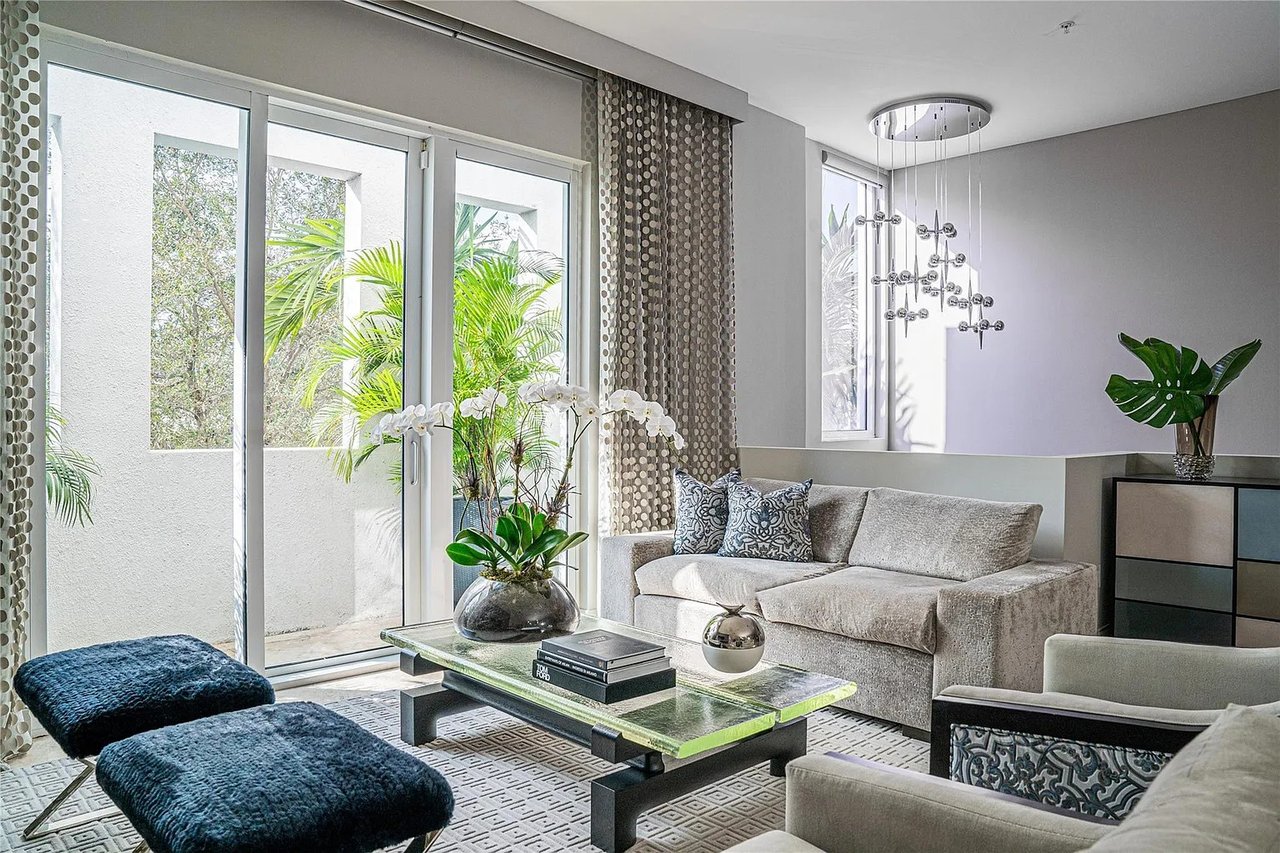
    Warm whites, creams, taupe, soft beige, and light greige make spaces feel larger, enhance natural light, and appeal to the widest buyer audience. Pair with linen or boucle sofas, light wood tables, minimal metallic accents, and textured rugs.

    Black, White & Metallic Accents

    Best for: Contemporary and architectural homes.

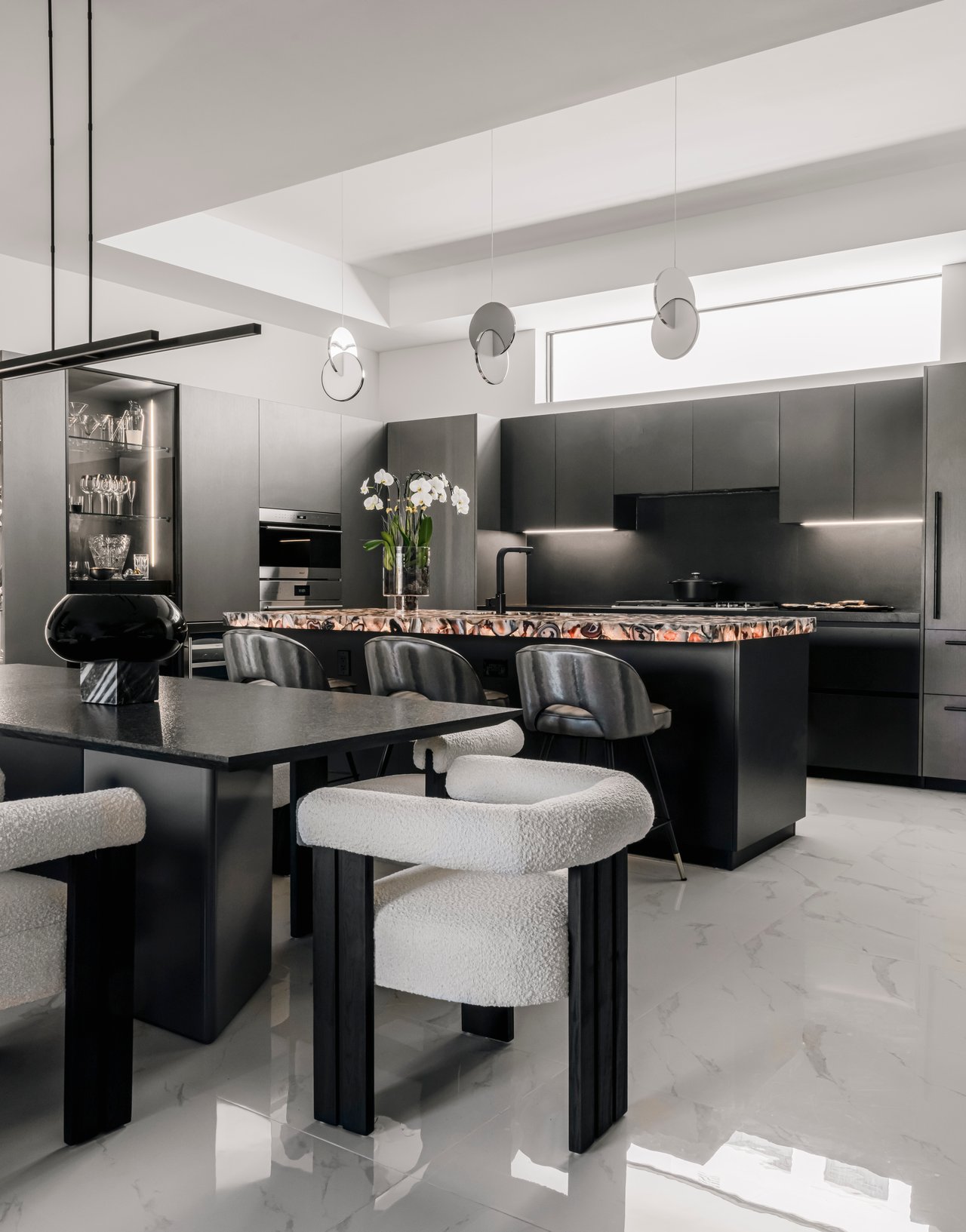
    A monochromatic palette delivers drama and refinement when executed correctly. Matte black, crisp white, and gold or brushed brass accents create striking contrast — balance it with soft textures to avoid a cold atmosphere. Pair with sculptural chairs, glass or marble tables, and statement lighting fixtures.

    Earth Tones & Natural Luxury

    Best for: Mountain homes, estates, and nature-focused properties.

    Earth-inspired palettes create warmth and emotional comfort. Olive green, clay, sand, walnut brown, and stone gray pair beautifully with solid wood pieces, leather accents, stone or ceramic décor, and organic textiles.

    Navy, Charcoal & Jewel Tones

    Best for: Formal dining rooms, offices, and statement spaces.

    Navy blue, emerald, charcoal gray, and deep plum add depth and sophistication when used intentionally. Pair with velvet upholstery, brass lighting, marble surfaces, and art-focused décor.

    Essential Furniture Considerations When Staging a Luxury Home

    Luxury staging is not about filling rooms — it is about intentional storytelling. Every furniture decision should serve the story the home tells.

    Scale & Proportion

    Furniture must match the home’s architecture. Large rooms call for oversized sectionals and substantial tables; high ceilings benefit from tall lamps, large art, and vertical elements. Undersized furniture makes expansive spaces feel empty and unconvincing.

    Quality Over Quantity

    Luxury buyers instantly recognize quality. Choose solid materials, designer-inspired silhouettes, and upholstery with texture and depth. Avoid overcrowding — negative space communicates luxury.

    Cohesive Flow Between Rooms

    Every room should feel connected through repeating color accents, similar materials, and consistent finishes. Think of the home as one continuous experience rather than separate spaces.

    Lifestyle-Based Furniture Placement

    Stage for how buyers want to live: conversation seating in living areas, a reading nook near windows, outdoor entertaining zones, a home office setup. Luxury buyers purchase aspiration, not just square footage.

    Common Luxury Staging Mistakes to Avoid

    • Overly trendy colors that date quickly
    • Personal or bold thematic décor
    • Too many accessories competing for attention
    • Poor or mixed lighting temperatures
    • Ignoring outdoor living spaces

    Luxury staging succeeds when buyers feel an immediate emotional connection. The right color combinations paired with intentional furniture choices elevate perception, photography, and ultimately property value. A beautifully staged luxury home doesn’t just show well — it tells a story of refinement, comfort, and possibility.

    Thomas Echea
  • Two Lifestyles, One Perfect Season

    Two Lifestyles, One Perfect Season

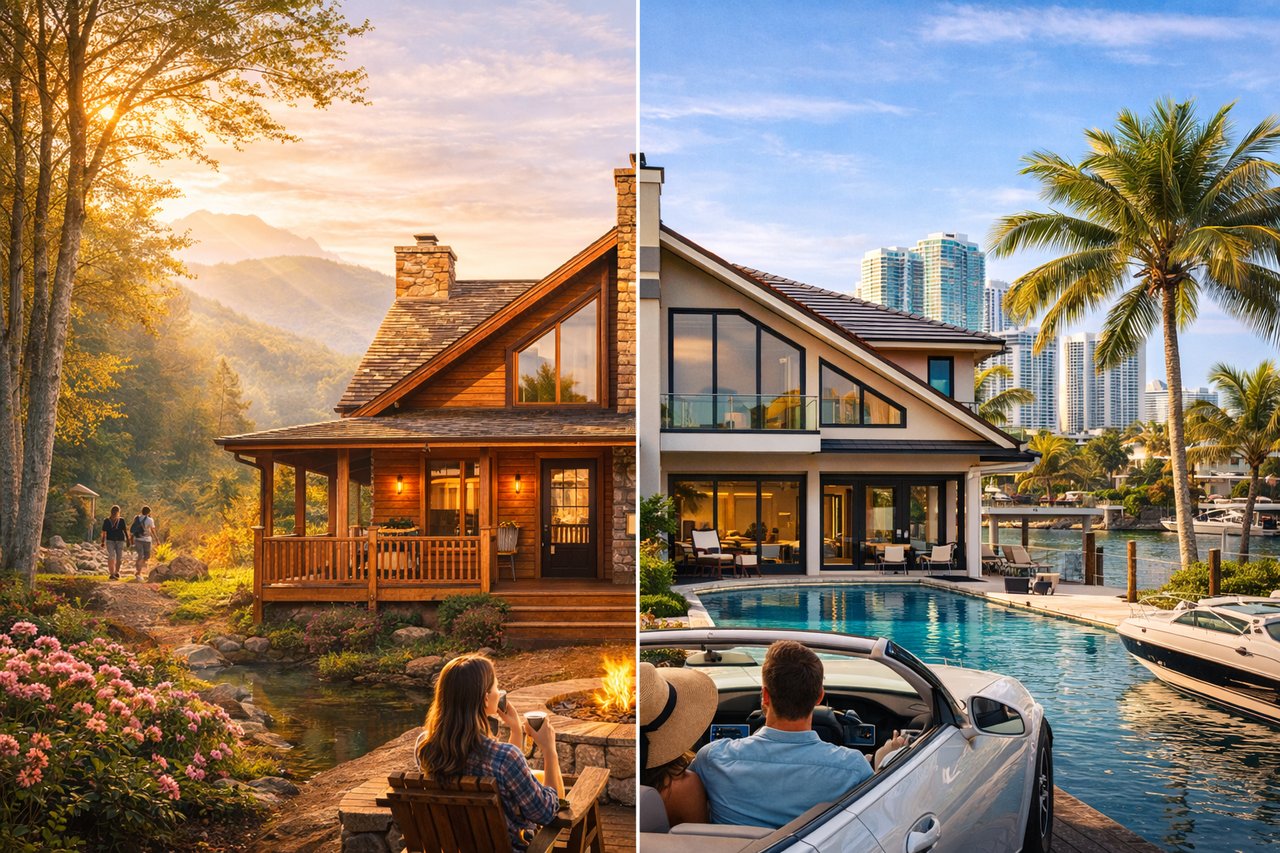
    Mountain Living in Blue Ridge: Calm, Nature, and Connection

    Spring in Blue Ridge feels like a quiet awakening. Dogwoods bloom, hiking trails reopen in full color, and cool mountain air invites residents outdoors. Life moves at a more intentional pace here, making it a favorite for buyers seeking balance and retreat from busy urban environments.

    • Scenic mountain views and peaceful surroundings
    • Outdoor recreation including hiking, fishing, and waterfall exploration
    • Cozy cabin living with modern luxury upgrades
    • Strong appeal for second homes and vacation rentals

    Spring is also one of the best times to experience properties firsthand. Deck views are clear before summer foliage thickens, and buyers can fully appreciate outdoor living spaces that define mountain homes.

    Coastal Living in Fort Lauderdale: Energy, Water, and Sunshine

    While the mountains bloom, Fort Lauderdale thrives with vibrant coastal energy. Known as the “Venice of America,” the city offers an unmatched connection to water, boating culture, and outdoor lifestyle year-round.

    In spring, the weather is especially ideal — warm but comfortable, perfect for exploring neighborhoods, waterfront homes, and marina communities.

    • Waterfront properties with private docks and canal access
    • Walkable beach lifestyle and outdoor dining culture
    • Strong luxury and relocation market appeal
    • Sunshine-driven wellness and active living

    One Season, Two Ways to Live

    What makes spring unique is how clearly it reveals lifestyle fit. Buyers aren’t just evaluating homes — they’re imagining daily routines.

    In Blue Ridge, mornings might begin with coffee on a mountain deck surrounded by forest views. In Fort Lauderdale, the day could start with a boat ride or a walk along palm-lined waterfront paths.

    Both offer renewal, but in different forms: mountains provide peace and restoration; coastlines offer energy and connection. Spring helps buyers feel which environment aligns with their vision of home.

    Why Spring Is a Powerful Time to Buy

    Across both markets, spring represents momentum in real estate.

    • Fresh inventory entering the market
    • Homes presented at their seasonal best
    • Ideal timing for summer moves or investment planning
    • Greater clarity in lifestyle decision-making

    Buyers who explore early in the season often gain a strategic advantage before peak competition arrives.

    Choosing Your Perfect Lifestyle

    There is no single definition of the perfect home — only the one that matches your life.

    If you’re drawn to serenity, nature, and mountain charm, Blue Ridge may feel like home. If sunshine, waterfront views, and vibrant coastal living inspire you, Fort Lauderdale might be your ideal match.

    This spring, the opportunity isn’t just about buying property — it’s about choosing how you want to live.

  • Exploring the Local Lifestyle: The Best Outdoor Activities in Blue Ridge for Spring

    Exploring the Local Lifestyle: The Best Outdoor Activities in Blue Ridge for Spring

    Spring transforms Blue Ridge into one of the most vibrant outdoor destinations in the Southeast. As winter fades, the mountains burst into color with blooming wildflowers, flowing waterfalls, and perfect temperatures for adventure. Whether you’re a local resident or visiting for a weekend escape, spring is the ideal time to experience the authentic mountain lifestyle that makes this region so special.

    Scenic Hiking in the Blue Ridge Mountains

    Spring hiking is arguably the highlight of the season. The surrounding Blue Ridge Mountains come alive with dogwoods, rhododendrons, and mountain laurels, creating postcard-worthy trails at every turn.

    • Waterfall hikes with peak flow from seasonal rain
    • Wildflower spotting along shaded trails
    • Cooler temperatures ideal for longer treks
    • Panoramic overlooks without summer crowds

    Local favorites range from easy nature walks to challenging summit climbs, making hiking accessible for families and seasoned adventurers alike.

    Adventure at Aska Adventure Area

    For those who prefer active exploration, Aska Adventure Area is a must-visit destination just minutes from downtown Blue Ridge.

    • Mountain biking through forested terrain
    • Trail running with river views
    • Picnic stops surrounded by nature
    • Photography opportunities across scenic ridgelines

    Spring conditions create ideal trail surfaces — not too hot, not too crowded, and beautifully green.

    Kayaking & Tubing on the Toccoa River

    Nothing says spring relaxation like time on the water. The gentle currents of the Toccoa River make it perfect for beginners and experienced paddlers alike.

    • Refreshing but comfortable water temperatures
    • Lush riverbanks filled with new growth
    • Excellent trout fishing conditions
    • Peaceful scenery before peak summer season

    Appalachian Trail Day Trips

    A short drive from Blue Ridge provides access to sections of the legendary Appalachian Trail. Spring brings migratory birds and wildlife sightings, fresh greenery along ridge lines, and crisp mountain air with clear visibility. Even a short hike on this historic trail gives visitors a true sense of Blue Ridge’s outdoor culture.

    Sunrise, Sunset & Scenic Drives

    Not every outdoor activity requires hiking boots. Spring is perfect for leisurely scenic drives and overlook stops — fog rolling through valleys at sunrise, golden-hour mountain views, flower-lined country roads. Locals consider these simple moments part of everyday mountain living.

    Why Spring Defines the Blue Ridge Lifestyle

    Spring in Blue Ridge isn’t just a season — it’s a lifestyle reset. Residents spend more time outdoors, local markets reopen, and community energy shifts toward wellness, exploration, and connection with nature.

    The balance of adventure and tranquility is exactly why so many homeowners and visitors fall in love with mountain living here. Active outdoor recreation, stress-free natural surroundings, a strong community atmosphere, and a genuine four-season lifestyle — spring makes all of it visible at once.